
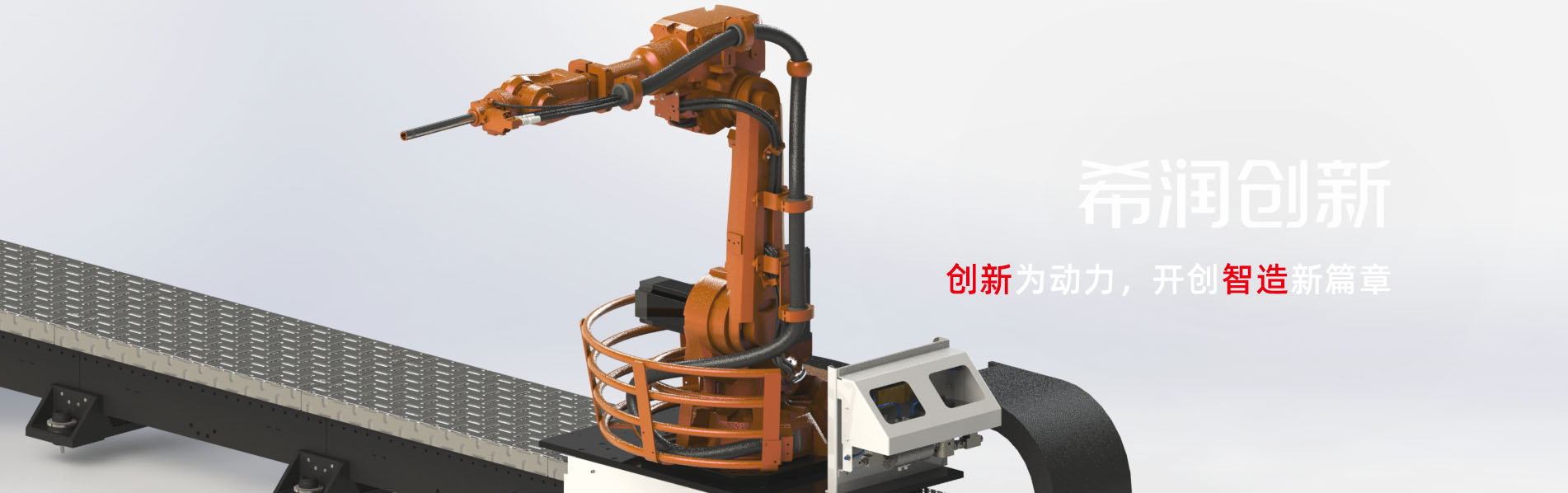


Shipbuilding
Background and Issues: Ship painting faces environmental pressures (high VOC emissions, pollution from hazardous waste packaging barrels), low manual spraying efficiency (difficult operation in narrow spaces), and unstable coating quality (uneven film thickness, insufficient edge coverage).
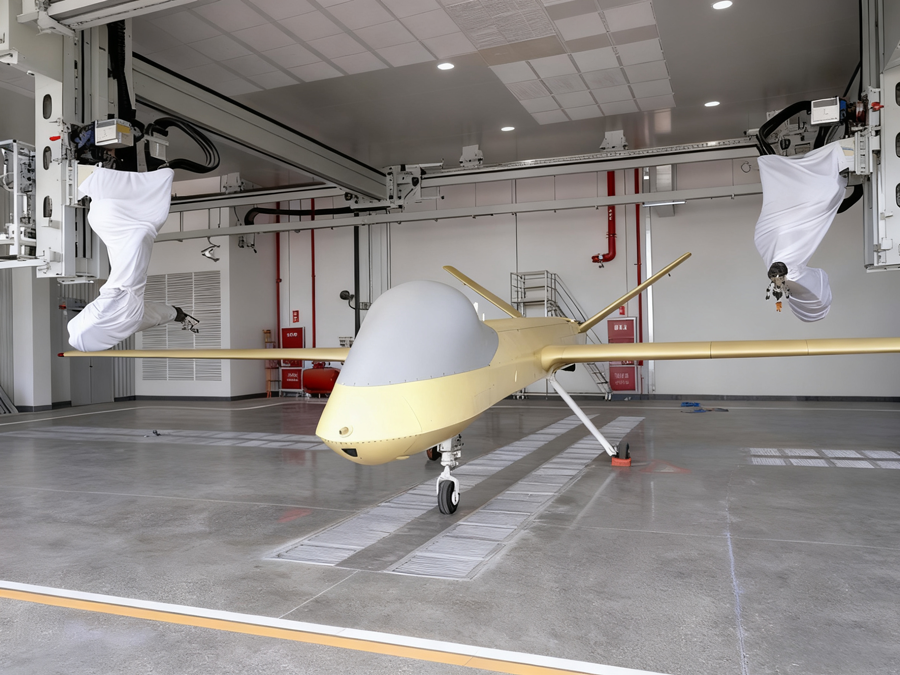
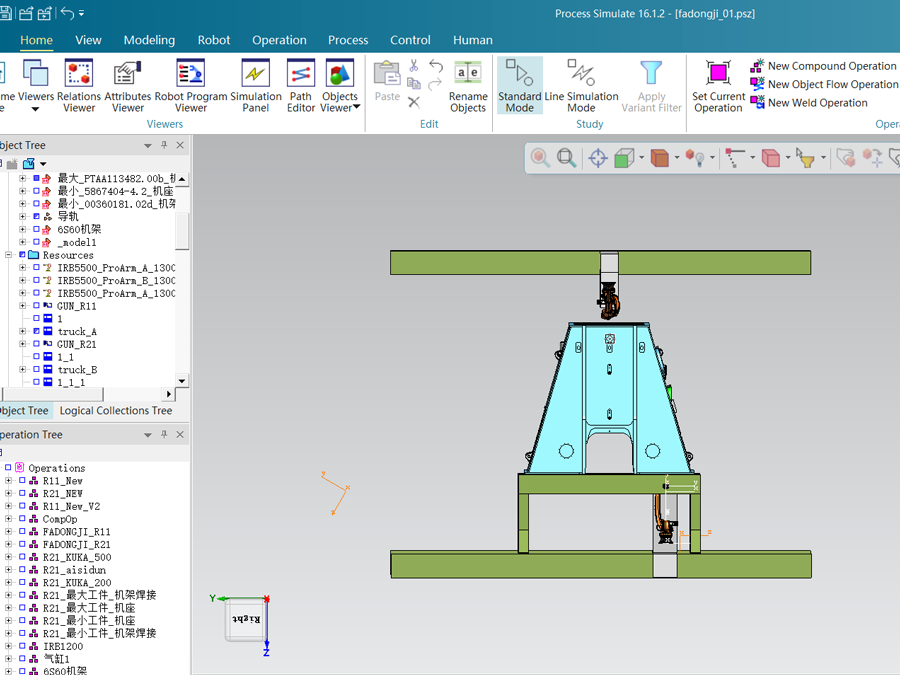
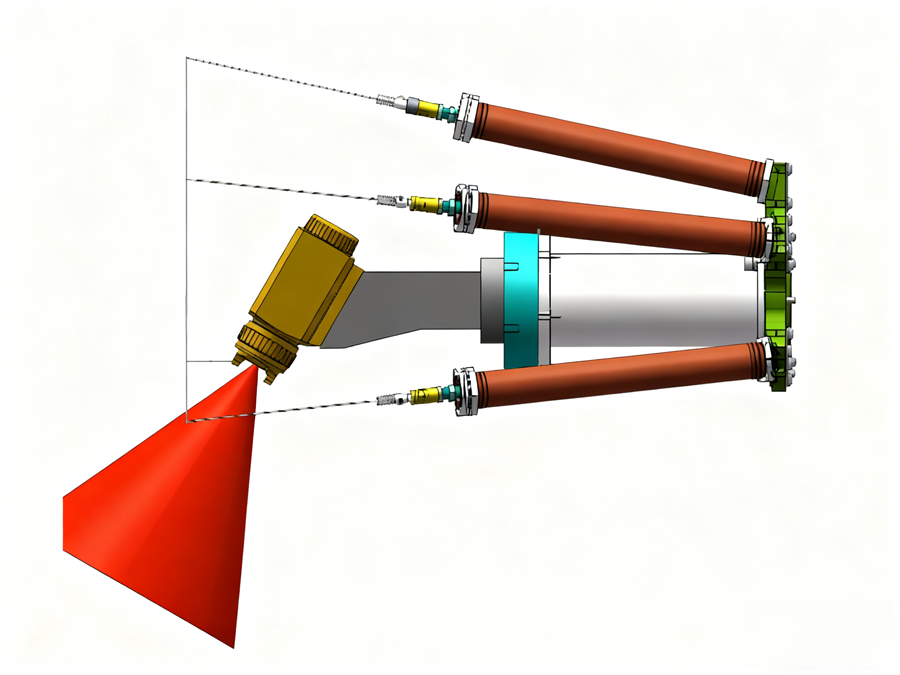
Core Solution and Principle: This solution integrates advanced processes such as high-pressure airless spraying, electrostatic spraying, and two-component spraying, combined with robot intelligent systems and digital twin technology, to achieve high-precision and high-efficiency intelligent painting. High-pressure airless spraying atomizes the paint after pressurizing it to 15-35MPa, with a transfer efficiency of 65%-85%; electrostatic spraying uses corona discharge to charge the paint and uniformly adsorb it onto the workpiece surface, effectively reducing sagging and orange peel defects; two-component spraying achieves immediate mixing and spraying of base material and curing agent, with closed-loop control ensuring a mixing error below 0.5% to avoid mixing failure. The system uses nine-axis linkage robots paired with surface slicing algorithms to adapt to complex profiles, achieving a coverage rate of over 90%, and based on digital twin technology for real-time monitoring and prediction of film thickness, increasing film thickness control accuracy by 40.6%, comprehensively ensuring painting quality and process consistency.
Core Innovation Points/Advantages:
Green and Low-Carbon Spraying: VOC emissions are reduced by 20%, paint waste is decreased by 25%, and a large-package recycling system is adopted, reducing hazardous waste packaging drums by 20,000–40,000 per ship;
High-Efficiency and High-Quality Coating: Automated spraying efficiency is increased by 51%–200%, film thickness pass rate exceeds 90%, and coating adhesion is significantly enhanced;
Intelligent Domestic Substitution: Through equipment localization (e.g., two-component pumps) to reduce equipment costs, decrease reliance on manual labor, and combined with cloud-based process management and AI-adaptive spraying, achieving digitalization of processes and full-process upgrading.
Application Scenarios and Value: This solution is applicable to various shipbuilding and repair scenarios, covering hulls, decks, cabins, ballast tanks, etc., of cargo ships, oil tankers, container ships, LNG carriers, and military vessels. It is particularly suitable for large-scale, multi-condition automated spraying needs in dry docks, shipways, and indoor coating workshops. It can significantly reduce the comprehensive coating cost per ship, improve coating consistency and corrosion resistance, and support the intelligent upgrading of the shipbuilding industry from technical, equipment, and management dimensions.
-
 Adhesive Application and Sealing Sol…
Background and Issues: Global competition in the automo…
-
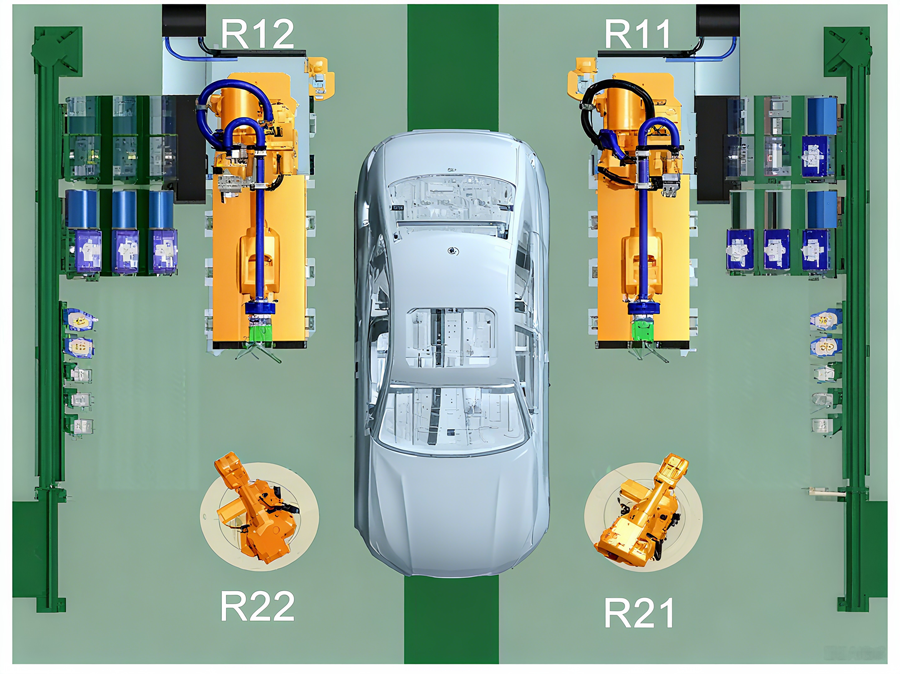 Foam and Wax Injection Solutions
Background and Issues: With the technological advanceme…
-
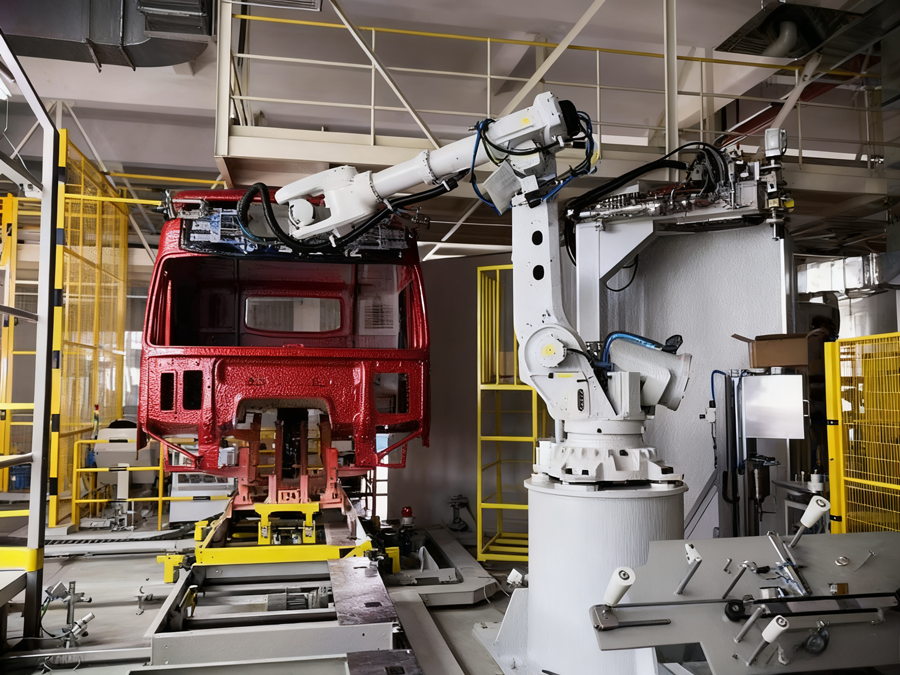 Assembly Adhesive Application Soluti…
Background and Issues: In automotive assembly workshops…
-
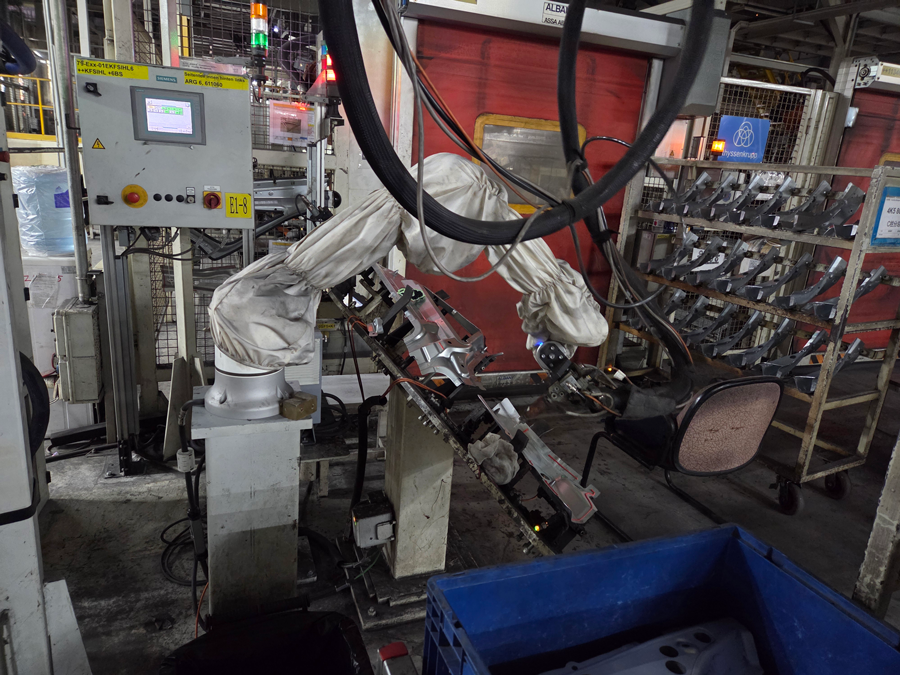 Welding Glueing Solution
Background and Issues: In automotive welding processes,…